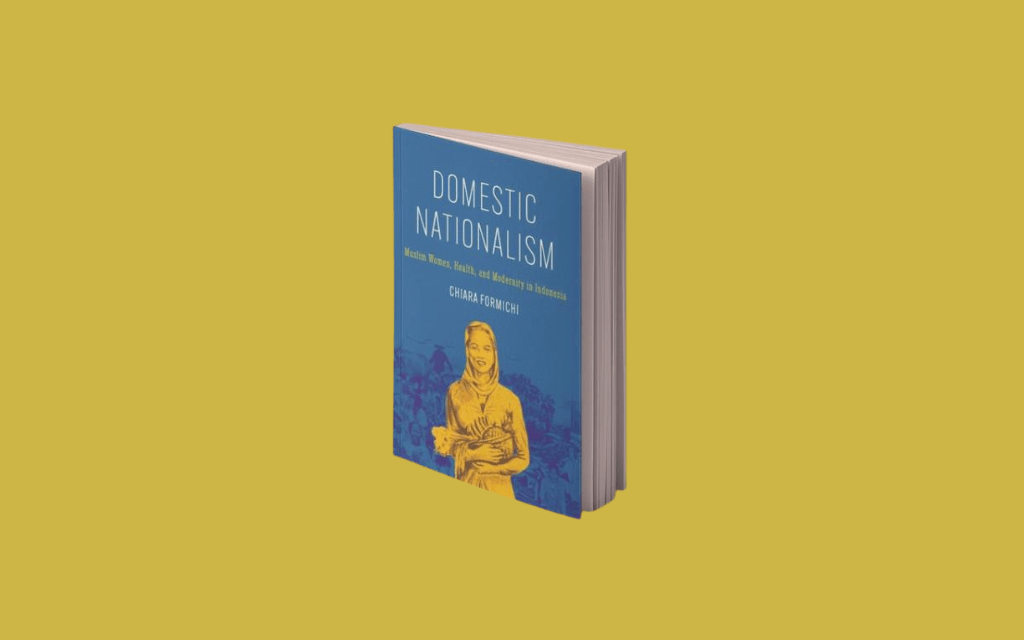
In this article Domestic Nationalism Chiara Formichi
By Kate Blackwood, originally published in The College of Arts & Sciences
Oct 29, 2025
Read the full article here.
By Kate Blackwood, originally published in The College of Arts & Sciences
Oct 29, 2025
In the early 20th century Dutch East Indies, colonial authorities set about instructing residents of Java and Sumatra on hygiene and nutrition.
“Literate women often noted that the ‘new scientific knowledge’ broadcast by the Dutch administration echoed indigenous practices, such as the advantages of eating unpolished rice, or religious mandates like the requirement for extended breastfeeding,” said Chiara Formichi, the H. Stanley Krusen Professor of World Religions in the College of Arts and Sciences. By medicalizing cleanliness and health, the Dutch marginalized women’s traditional influence and knowledge – but the women pushed back, Formichi writes in her new book, “Domestic Nationalism: Muslim Women, Health, and Modernity in Indonesia.”
“Literate women often noted that the ‘new scientific knowledge’ broadcast by the Dutch administration echoed indigenous practices, such as the advantages of eating unpolished rice, or religious mandates like the requirement for extended breastfeeding,” said Chiara Formichi, the H. Stanley Krusen Professor of World Religions in the College of Arts and Sciences. By medicalizing cleanliness and health, the Dutch marginalized women’s traditional influence and knowledge – but the women pushed back, Formichi writes in her new book, “Domestic Nationalism: Muslim Women, Health, and Modernity in Indonesia.”
Read the full article here.
College of Arts & Sciences