In this article Apple and Knife Intan Paramaditha
originally published in Guardian
Oct 25, 2025
Read the full article here.
originally published in Guardian
Oct 25, 2025
Bloodthirsty ghosts, sadistic supercomputers, creepy childhood games ... Mariana Enríquez, Paul Tremblay, Daisy Johnson and others on the tales that kept them up at night.
Urban legend
When I was a child in Indonesia, I heard an urban legend that terrified me: if you didn’t rinse and properly wrap your menstrual pad, a ghost would come for you. The story went that a girl once left her pad unwashed in a toilet. When she returned to fetch a forgotten ring, she found the door ajar. Inside squatted a woman with long black hair, her back to her. Slowly, she turned. A pale face, lips slick red – and in her hands, the girl’s unwashed pad. The ghost licked it clean.
That vision haunted me, but years later I understood it was more than a ghost story. It was also a lesson in shame, a way of disciplining girls’ bodies, teaching us that blood was dirty, dangerous, in need of secrecy.
It inspired me to write Blood, published in my collection Apple and Knife. In the story, the narrator must confront the same cautionary tale told by her Qur’an teacher. As an adult copywriter in Jakarta, she is tasked with selling sanitary pads by casting menstruation as monstrous. Memories of becoming a woman and the relentless policing of her body collide with a vision of the ghost who appears in the office toilet, licking menstrual blood.
Horror, for me, exposes how society treats women’s bodies as abject, shameful. Writing Blood was a way of reclaiming what had once made me afraid. The ghost still lingers, but now she walks beside me, her mouth red, her hunger reminding me of demonised, unruly, disobedient women.
Apple and Knife by Intan Paramaditha, translated by Stephen J Epstein, is published by Vintage Classics.
Urban legend
When I was a child in Indonesia, I heard an urban legend that terrified me: if you didn’t rinse and properly wrap your menstrual pad, a ghost would come for you. The story went that a girl once left her pad unwashed in a toilet. When she returned to fetch a forgotten ring, she found the door ajar. Inside squatted a woman with long black hair, her back to her. Slowly, she turned. A pale face, lips slick red – and in her hands, the girl’s unwashed pad. The ghost licked it clean.
That vision haunted me, but years later I understood it was more than a ghost story. It was also a lesson in shame, a way of disciplining girls’ bodies, teaching us that blood was dirty, dangerous, in need of secrecy.
It inspired me to write Blood, published in my collection Apple and Knife. In the story, the narrator must confront the same cautionary tale told by her Qur’an teacher. As an adult copywriter in Jakarta, she is tasked with selling sanitary pads by casting menstruation as monstrous. Memories of becoming a woman and the relentless policing of her body collide with a vision of the ghost who appears in the office toilet, licking menstrual blood.
Horror, for me, exposes how society treats women’s bodies as abject, shameful. Writing Blood was a way of reclaiming what had once made me afraid. The ghost still lingers, but now she walks beside me, her mouth red, her hunger reminding me of demonised, unruly, disobedient women.
Apple and Knife by Intan Paramaditha, translated by Stephen J Epstein, is published by Vintage Classics.
Read the full article here.
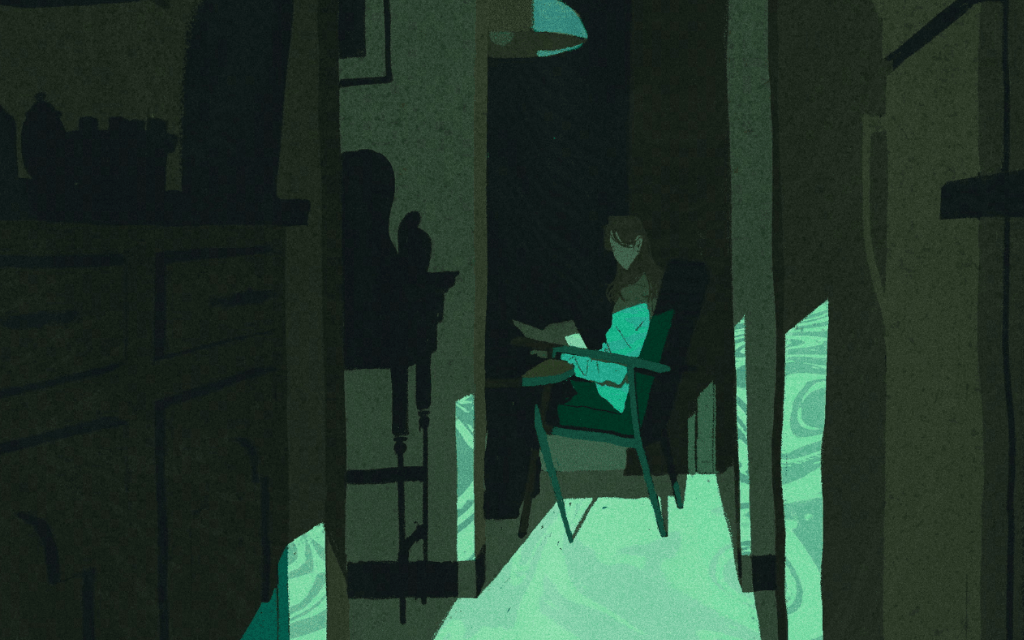
Katherine Lam / The Guardian