In this article:
The Wallace Line
Jennifer Mackenzie
Written by Grace Roodenrys, originally published in Meanjin
Jan 22, 2026
The Wallace Line
Jennifer Mackenzie
Written by Grace Roodenrys, originally published in Meanjin
Jan 22, 2026
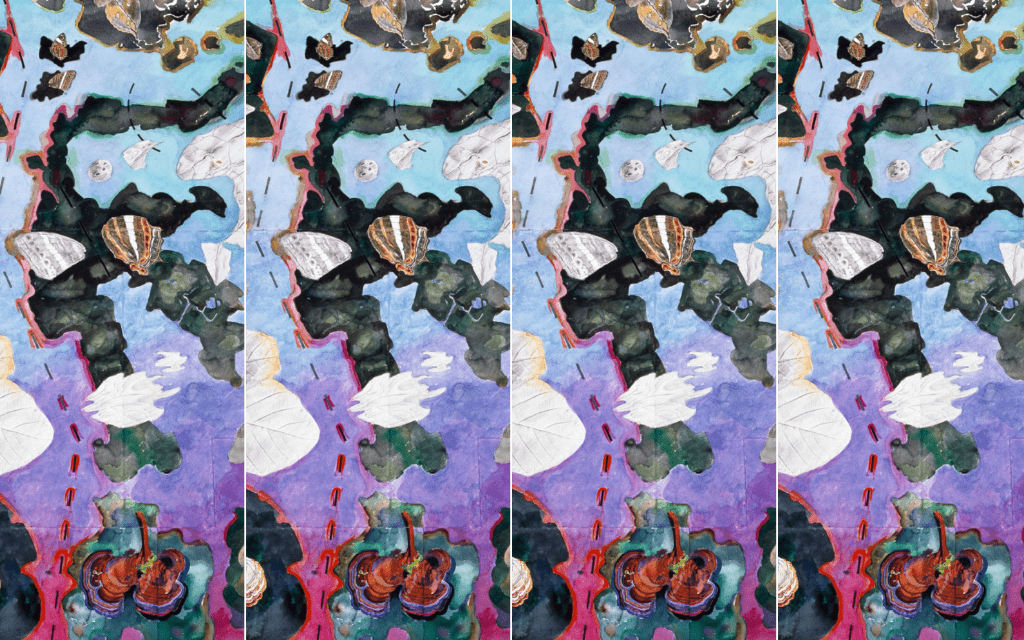
The Wallace Line is a faunal boundary line in the Indo-Australian Archipelago. Drawn in the mid-nineteenth century by the English naturalist Alfred Russel Wallace, it cuts through the Indian Ocean between Bali and Lombok, upwards into the Makassar Strait between Borneo and Celebes, and eastward—south of Mindanao—into the Philippine Sea. At its thinnest point, the line measures just 35 kilometres. This means that a distance a person could walk in a matter of hours is enough to give rise to a significant discrepancy in the animal life visible on either side. The boundary was discovered by Wallace in the course of a years-long expedition through what was known to him as the Dutch East Indies. He returned to England with an astonishing number of animal specimens to support his finding: 100 reptiles, 310 mammals, 83,200 beetles, 13,100 butterflies and moths, and 8,050 birds.
Read the full article here.